

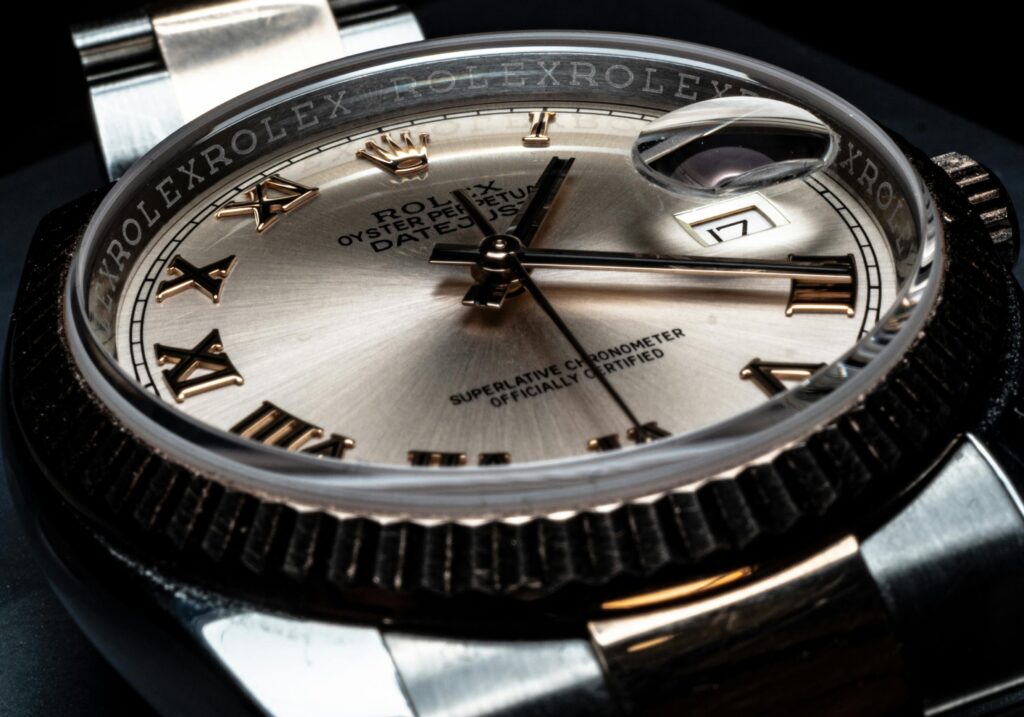
Watch Movement Explained: Types, Calibers and How to Choose
Every watch has an engine inside. Understanding the watch movement helps you spot real quality, avoid overpaying and pick a watch you will enjoy for years. Here is the plain-English guide.
- What is a watch movement?
- A short history
- Types of watch movement
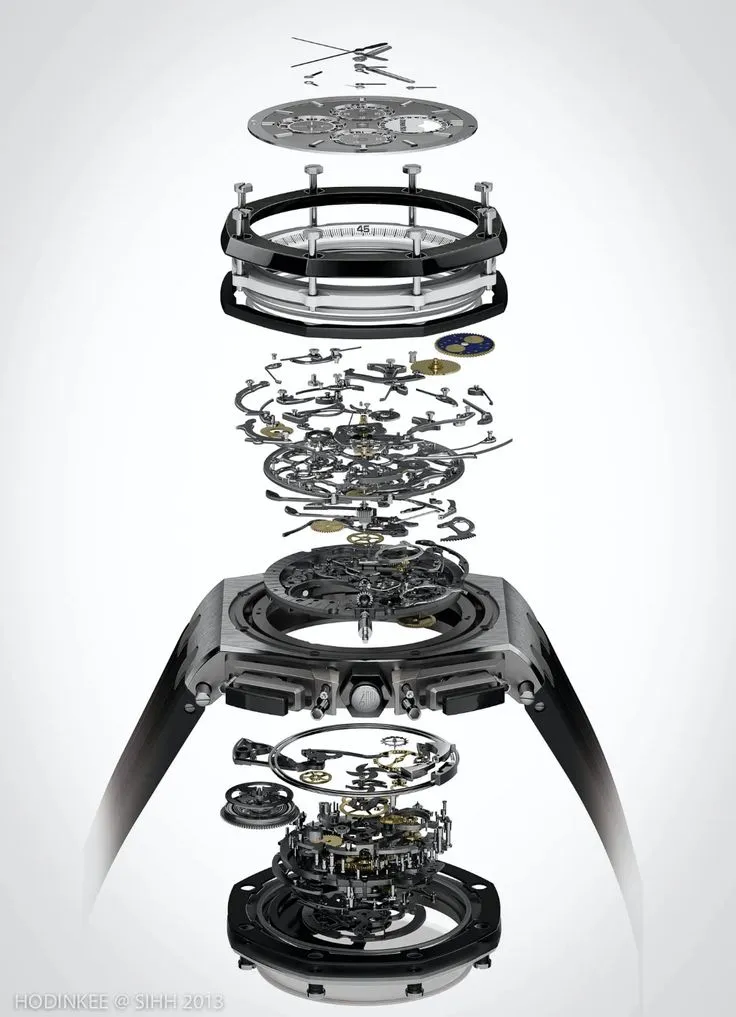
- What is inside a mechanical movement
- Swiss vs Japanese vs Chinese
- Why the movement affects price
- Mechanical vs automatic vs quartz
- Accuracy, beat rate and power reserve
- How to read a caliber number
- Common myths
- How to choose
- Servicing and costs
- Famous calibers
- FAQs
What is a watch movement?
A watch movement, also called a caliber, is the mechanism inside the case that keeps time and drives the hands, date and any extra functions. Think of it as the engine of a car. It decides how accurate the watch is, how long it will last and how much it costs to service.
Movements range from simple quartz modules that cost a few dollars to hand-finished mechanical calibers worth many thousands. Once you understand the basics, it becomes much easier to tell real craftsmanship from marketing. If you are shopping now, our list of the best luxury watches under $1000 shows which movements are used at that price.
A short history of the watch movement
Early mechanical era. Portable timekeeping grew out of inventions such as the balance spring in the 17th century and the lever escapement in the 18th century. These gave watches usable accuracy and set the stage for centuries of refinement.
The quartz revolution. In 1969 Seiko launched the Astron, the first quartz wristwatch. Quartz was cheaper and more accurate, and it triggered the quartz crisis, which hit Swiss makers hard during the 1970s and 1980s.
The mechanical comeback. Brands then repositioned mechanical watches as craft objects. Today you can buy everything from cheap quartz to complex in-house automatics, and many collectors prefer mechanical for its charm. Our guide to automatic vs mechanical watches covers that choice in more detail.
Types of watch movement
Manual-wind mechanical
You wind the crown by hand to store energy in the mainspring. These movements are loved for their simplicity and the daily ritual of winding. Many dress watches use them.
Automatic (self-winding)
An automatic watch movement has a rotor that spins with your wrist and winds the mainspring for you. It is the most common type in modern mechanical watches. For a good starting point, read our picks for the best automatic watches for beginners and the best automatic watches for men in 2026. For the technical background, see how automatic watches work.
Quartz
A battery sends power through a quartz crystal that vibrates at a fixed rate. It is extremely accurate, low maintenance and affordable. Quartz is not only for cheap watches: luxury makers use high-grade versions too, such as Grand Seiko's 9F. See how Japan approaches this in our Japanese luxury watches guide.
Solar quartz
Light-powered quartz watches charge a cell, so there are no regular battery changes. Read about Citizen Eco-Drive 2026 updates and the best solar-powered luxury watches.
Hybrids and Spring Drive
Seiko's Spring Drive uses a mainspring for power but regulates time electronically. The result is a very smooth seconds hand and excellent accuracy with a mechanical feel.
What is inside a mechanical watch movement?
Knowing the main parts explains why some calibers cost so much.
- Mainspring: stores energy.
- Gear train: carries that energy to the hands.
- Escapement: releases the energy in tiny, regular steps. See what an escapement does.
- Balance wheel and hairspring: the part that sets the pace of timekeeping.
- Rotor: winds the mainspring in an automatic watch.
- Bridges and plates: hold everything in place, and are often decorated.
Finishing such as Geneva stripes, perlage and beveled edges takes real skill and time. It protects surfaces and shows careful assembly. To compare high-end finishing styles, read Grand Seiko vs Credor finishing.
Swiss vs Japanese vs Chinese movements
Where a movement comes from gives a rough idea of price, support and style. Here is a practical comparison.
| Attribute | Swiss | Japanese | Chinese |
|---|---|---|---|
| Examples | Rolex, Omega, Patek, ETA, Sellita | Seiko, Citizen, Grand Seiko, Miyota | Sea-Gull, various microbrands |
| Typical price | Mid to very high | Low to high | Low to mid |
| Strength | Tradition, finishing, resale | Durability, innovation, value | Price and fast improvement |
| Service support | Excellent worldwide | Strong, sometimes regional | Depends on the brand |
The takeaway: Swiss does not automatically mean better, and the best movement is the one that fits your needs. If you want to see how Chinese brands are changing the market, read about luxury watches made in China. For Swiss heritage, our Swiss watch brands guide is a good start.
Why the watch movement affects price
- Complexity: chronographs, perpetual calendars and repeaters need many more parts and more skilled work. Learn more in our guide to luxury watch complications and the definitive watch complications list.
- In-house development: making your own caliber takes years of R&D, which shows up in the price.
- Finishing: hand decoration adds labor cost and collector appeal.
- Certification: a chronometer certificate proves accuracy testing and can add value.
This is part of why luxury brands sit on different levels, which we explain in levels of luxury watches and luxury watch prices in 2026. Remember that a good outsourced movement still serves daily life well. Only a few watches hold their value over time, as shown in luxury watches that hold their value.
How to choose the right watch movement
- Daily reliability: quartz, solar, or a tough Japanese automatic.
- Mechanical experience: a reliable automatic from a brand with good service support.
- Collecting: Swiss in-house mechanical movements with a strong reputation.
- Innovation: Spring Drive or other hybrids.
- Tight budget: a proven third-party automatic such as a Sellita or Miyota.
Also think about spare parts and who can fix it in your city, because a watch is a long-term companion. If you want to see examples at different budgets, browse 10 affordable luxury watches and skeleton watches for men, where you can see the movement itself.
Servicing and costs
Regular service keeps a watch accurate and protects its value.
- Quartz: a battery change every few years, with the occasional seal check.
- Mechanical and automatic: a full service about every 5 to 7 years (some brands suggest 3 to 5).
- Complicated watches: usually need more frequent, more expensive servicing.
Costs vary a lot by brand, movement and country. A basic service for a common movement is far cheaper than for a high-end in-house caliber, so ask for a quote before you buy. Keep your service papers, since they help resale. Buying pre-owned? Check our guide on how to tell if a Rolex is real, as the movement and caseback checks apply to many brands.
Famous watch movements worth knowing
- Rolex 3135 / 3235: tough, widely serviced automatics. See the Rolex Datejust for a classic example.
- Patek Philippe 240: a famously thin micro-rotor automatic. Explore the top 10 Patek Philippe watches.
- Omega Co-Axial: a different escapement design aimed at reducing friction. See the Omega watches released in 2026.
- Seiko Spring Drive: hybrid precision.
- ETA 2824 and Sellita SW200: the workhorses behind many brands. See ETA SA for background.
- Valjoux 7750: a classic automatic chronograph.
Knowing the caliber helps with pre-owned buying, because a popular movement is usually easier and cheaper to service. Also notice the hardware around it: crystal type matters too, as we explain in sapphire crystal vs mineral glass.
Mechanical vs automatic vs quartz at a glance
If you only remember one thing from this guide, make it this table. It compares the three most common kinds of watch movement side by side.
| Feature | Manual mechanical | Automatic | Quartz |
|---|---|---|---|
| Power source | Mainspring, wound by hand | Mainspring, wound by wrist motion | Battery or solar cell |
| Typical accuracy | Seconds per day | Seconds per day | Seconds per month |
| Maintenance | Service every few years | Service every few years | Battery change, rare service |
| Feel | Hands-on, traditional | Convenient and mechanical | Grab and go |
| Best for | Dress watches, purists | Daily wear with charm | Reliability and low cost |
Notice that accuracy is not the same as quality. A mechanical watch is less accurate than quartz but is valued for craft. That is why many collectors happily accept a few seconds of drift each day.
Accuracy, beat rate and power reserve explained
Three technical terms appear on almost every spec sheet. Here is what they mean in practice.
Beat rate (vph)
Beat rate is how many times the balance wheel swings per hour, written as vph. Common values are 21,600 vph (3 Hz) and 28,800 vph (4 Hz), while some chronograph movements reach 36,000 vph (5 Hz). A higher beat rate can give a smoother seconds hand and slightly better stability, but it also tends to use more energy.
Power reserve
This is how long the watch keeps running after it is fully wound. Many classic automatics such as the ETA 2824 and Sellita SW200 run for about 38 hours, while modern movements from Tissot, Hamilton and others reach 70 to 80 hours. A longer reserve means you can leave the watch on the shelf over a weekend and it will still be ticking on Monday.
Accuracy and chronometer certification
A standard mechanical movement can gain or lose several seconds per day. A chronometer certified by COSC must stay within a tighter range (-4 to +6 seconds per day). Some brands go further with their own tests: Rolex states its Superlative Chronometer watches are accurate to within a couple of seconds per day. High-end quartz is far tighter, with models like the Grand Seiko 9F and Bulova Precisionist rated to about 10 seconds per year. For more about the Bulova approach, see our Bulova watches 2026 collection guide.
How to read a caliber number
Knowing the caliber is the fastest way to learn about a watch. Here is a simple way to find and use it.
- Look at the spec sheet. Most brands list the caliber on their official product page. This is the easiest place to start.
- Check the movement itself. If the watch has a see-through caseback, the caliber is often engraved on the rotor or plates. Do not open the caseback yourself.
- Search the number. A quick search will show beat rate, power reserve, jewel count and known issues.
- Find out who made it. Is it in-house, a modified ETA or Sellita, or a Japanese movement? This tells you about servicing and parts.
- Compare similar watches. Looking at the same caliber in other watches helps you judge whether the price is fair.
Watch names and numbers can be confusing at first, but you will soon recognise common ones like the 2824, 3235 or 8800. Understanding them also helps when you are checking a pre-owned piece, as we explain in how to tell if a Rolex is real.
Common myths about the watch movement
Many buyers are misled by marketing. These are some of the most common myths.
- "More jewels means a better movement." Not really. Jewels reduce friction at key points, but after a basic number extra jewels do not guarantee better quality.
- "An automatic never needs winding." It winds itself when you wear it, but if you leave it unworn past its power reserve it will stop and need to be wound and reset.
- "Quartz is cheap and low quality." Quartz is simply a different technology. High-end quartz is precise and respected.
- "Swiss Made means everything is Swiss." The label requires a Swiss movement and a set share of the manufacturing cost in Switzerland, but parts can still come from elsewhere.
- "An in-house movement is always better." It can mean prestige, but a proven third-party movement can be more reliable and cheaper to service.
What is changing in watch movement design
Materials have changed how movements are built. Silicon parts, such as hairsprings and escapement wheels, resist magnetism and need less lubrication. Better synthetic oils and new alloys help movements stay stable between services. These advances once belonged only to top brands, but they are slowly reaching more affordable watches. Our luxury watch trends for 2026 and the rise of hybrid luxury watches look at where the industry is heading.
Checklist before you buy
- Find the caliber number and research its reputation.
- Ask whether it is in-house, modified or off-the-shelf.
- Check spare parts and local service availability.
- Think about how many complications you really need.
- For pre-owned watches, ask for papers and service history.
FAQs about the watch movement
What is a watch movement?
A watch movement, also called a caliber, is the internal mechanism that powers a watch and moves the hands and any complications. It can be mechanical, automatic, quartz or a hybrid.
What does caliber mean?
Caliber is the manufacturer's name or number for a specific movement design. Knowing the caliber helps you research accuracy, parts and servicing.
Is a Swiss movement always better?
No. Swiss movements are known for tradition and finishing, but Japanese movements from Seiko and Citizen are also excellent and often very durable. The better choice depends on your priorities.
How often should a watch movement be serviced?
Most mechanical and automatic watches benefit from service every 5 to 7 years, though some brands suggest 3 to 5. Quartz movements mostly need a battery change every few years.
Can a quartz watch be luxury?
Yes. High-end quartz movements, such as Grand Seiko's 9F, are carefully regulated and finished, and are respected by collectors.
What is an in-house movement?
An in-house movement is designed and made by the watch brand itself. It can add prestige but may cost more to service because parts are proprietary.
Which watch movement is best for daily wear?
For low maintenance, choose quartz or a robust automatic from a brand with good service support. For the mechanical experience, choose a reliable automatic.
Do complications make servicing more expensive?
Yes. Extra parts and interactions mean more time and skill are needed, so servicing usually costs more and takes longer.
Final thoughts
A little knowledge about the watch movement goes a long way. It helps you spot real value, avoid hype and choose a watch you will enjoy for decades. Keep exploring on the luxury watch blog or the watch investment guide. For official technical details, visit Seiko and Omega.
Updated September 2026. Information is general and service costs vary by brand and country. Some links may be affiliate links, see our affiliate disclosure.