

Why Luxury Watches Are a Better Investment Than Gold — Practical, Profitable & Proven
Gold has been humanity’s safe haven for centuries — but in today’s market, carefully selected luxury watches can outperform gold in liquidity, ROI, emotional value, and tax-aware portability. This deep, data-driven guide explains why watches are more than passion purchases: they can be smart investments when you know what to buy and how to manage risk.
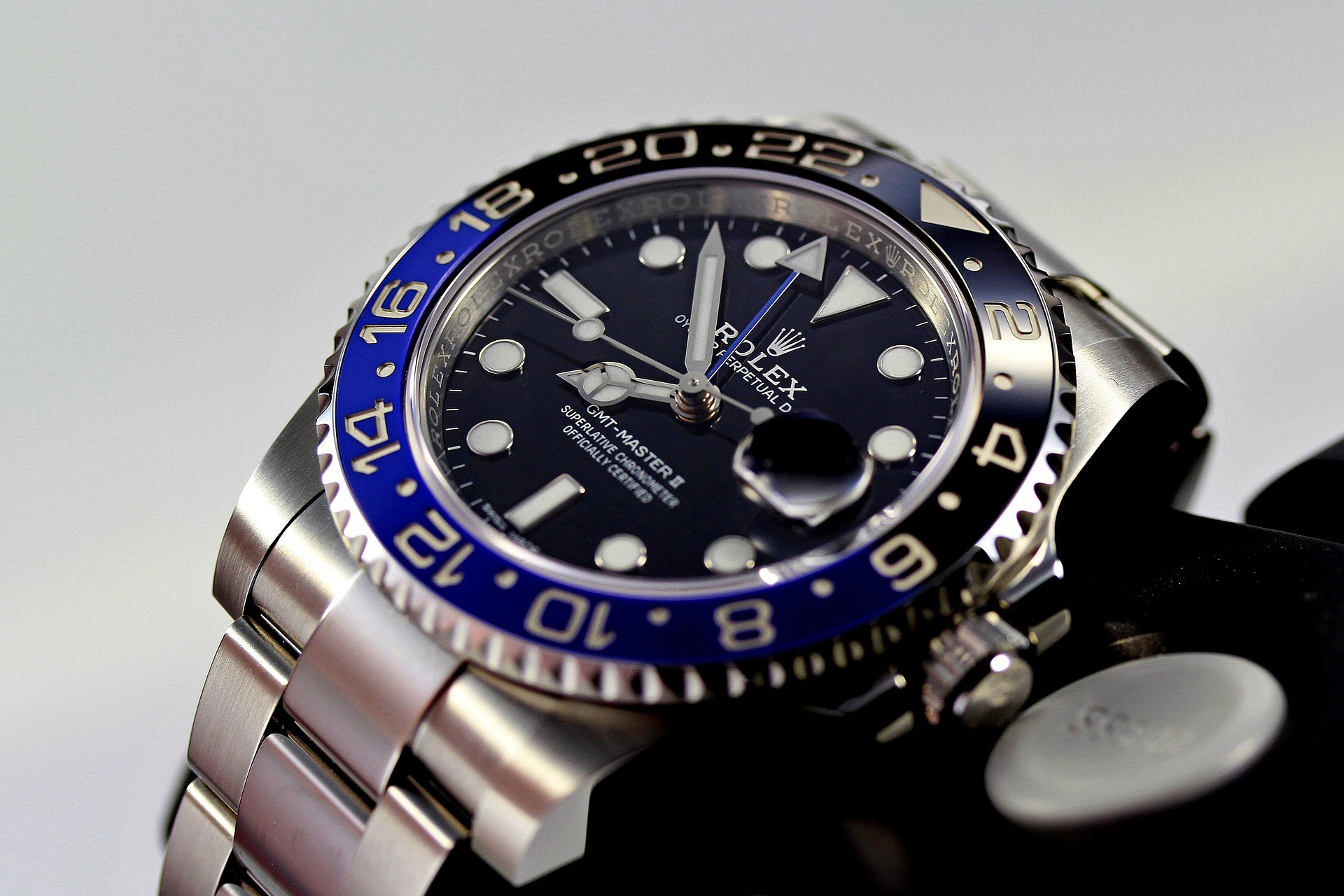
Introduction — A Modern Investment Question
For centuries gold has been the default hedge against inflation, war, and currency instability. Yet over the last few decades a parallel market has flourished: collectible timepieces. Luxury watches offer tangible craftsmanship, limited supply, and emotional value — all of which can help them appreciate beyond intrinsic metal value. This article breaks down why luxury watches often make better investments than gold, using historical examples, valuation principles, and practical buying and selling strategies.
The analysis below is designed for collectors and investors who want to treat watches as assets — not mere accessories. We'll cover the market mechanics, provide real-world examples, and give step-by-step advice for sourcing, storing, and selling watches for profit.
Gold — Historical Context and Investment Profile
Gold’s role as a store of value is long established. It's liquid, globally recognized, and easy to trade in standard forms (coins, bars, ETFs). But gold is a commodity: its price is driven by macroeconomic factors, central bank policy, currency strength, and broad investor sentiment. It rarely experiences the dramatic short-term price jumps that a unique collectible can — but it offers steady, low-correlation returns relative to equities.
Gold's Advantages
- Liquidity: Gold bullion and ETFs trade on regulated markets 24/5.
- Uniformity: A kilo of gold is fungible; no authentication premium is needed.
- Inflation hedge: Historically reliable during currency weakness.
Gold's Limitations
- Low yield: No income stream and limited upside beyond macro cycles.
- Storage & fees: Vaulting and insurance costs reduce net returns.
- Commodity risks: Price is affected by mining production, ETFs, and central bank purchases.
Quick takeaway: Gold is safe and predictable but constrained by commodity dynamics. Watches, by contrast, can benefit from scarcity, design desirability, and collector mania — leading to asymmetric upside.
Luxury Watches — Market Evolution & Why They Appreciate
Luxury watch collecting evolved from a small hobby into an $8–12 billion global market over recent decades. Key drivers include limited editions, celebrity association, scarcity, and the internet’s ability to surface demand quickly. Certain references — think vintage Rolex Daytonas, Patek Philippe Nautilus, or select Audemars Piguet Royal Oaks — have seen returns well beyond gold over the last 20–30 years.
Case Studies: Exceptional Watch Returns
- Patek Philippe Nautilus (Ref. 5711): Original retail vs secondary market prices — examples where collectors paid multiples of retail within years.
- Rolex Daytona Paul Newman: Auction records show astronomical multiples driven by provenance and rarity.
- Limited modern collabs: Highly hyped collabs (brand + artist) often jump quickly on release.
The watch market is heterogeneous: while many watches depreciate like cars, a focused subset consistently outperforms. Understanding which subset — and why — is the key to extracting investment returns.
Why Luxury Watches investment Can Outperform Gold
Several structural advantages let luxury watches investment beat gold under certain conditions. Below are the principal reasons investors and collectors cite.
1. Scarcity & Provenance
A watch's value often stems from limited production runs and known provenance. A reference made in limited numbers, or with celebrity provenance, is naturally scarce and collectible — which drives prices higher than generic commodities.
2. Emotional & Cultural Value
Watches combine craftsmanship and storytelling. Buyers pay premiums for models with narrative — anniversaries, motorsport ties, or artist collaborations. That subjective premium has no analog in bullion markets.
3. Market Inefficiencies
Unlike gold markets, the watch market has more friction: varied channels (authorized dealers, secondary marketplaces, auctions), opaque supply, and subjective grading. Savvy investors exploit inefficiencies to buy undervalued pieces and sell into hype.
4. Higher ROI Potential
Historical examples show that select references can appreciate multiple times retail in a short period — something rare for gold absent macro shocks. While higher risk, the upside can be far greater.
5. Increasing Demand from New Collectors
Millennial and Gen Z collectors, social media exposure, and celebrity endorsements have expanded buyers, especially at the high end. These entrants increase demand and collector competition for limited pieces.
Key Valuation Factors That Make Certain Watches Investments
Not all luxury watches investment. Here’s how valuations are typically formed:
Rarity & Production Numbers
Lower production = higher scarcity. Limited editions, discontinued references, and boutique-only variants usually command premiums.
Brand Strength & Model Iconicity
Brands with historically strong resale (Patek Philippe, Rolex, Audemars Piguet) create stronger demand pools for specific icons.
Condition & Completeness
Full set (box + papers), low wear, original parts — these materially affect sale prices. Unlike gold, small cosmetic differences generate large valuation gaps.
Provenance & Documentation
A watch owned by a notable figure or with documented service history sells for a premium. Auction houses explicitly market provenance as added value.
Market Sentiment & Hype Cycles
Hype can lift models quickly, but also accelerate declines. Understanding cycles and timing entries/exits is critical.
Top Investment-Worthy Luxury Watch Brands & Models
Below are brands & specific models collectors repeatedly cite for investment potential. These are not guarantees — they are historically consistent performers when properly sourced.
Patek Philippe — Nautilus & Complications
Patek’s small production runs, high finishing, and collector respect make its top references some of the strongest performers at auction.
Rolex — Daytona & Submariner
Rolex’s brand power and limited supply of certain steel models has produced remarkable secondary market premiums.
Audemars Piguet — Royal Oak
The Royal Oak, especially limited or special editions, has seen massive collector demand and strong resale value.
Other Notables
Certain independent brands and limited collabs (F.P. Journe, A. Lange & Söhne, specific Hublot/artist collabs) can also deliver exceptional returns in the collector market.
Risks & How to Mitigate Them
Market Volatility & Fashion Risk
Collector tastes shift. Mitigation: diversify across brands and models, and avoid overpaying during hype peaks.
Forgeries & Fraud
Risk: counterfeit parts or whole watches. Mitigation: buy from respected dealers, request service records, and use authentication services or reputable auction houses.
Liquidity & Transaction Costs
Selling can take time; dealers/auction houses take fees. Mitigation: plan exits in advance, use multiple channels, and factor fees into ROI calculations.
Condition Degradation
Poor service or replacement parts can erode value. Mitigation: use authorized service centers and keep boxes/papers.
How to Buy Investment Watches — Practical, Step-by-Step
Step 1 — Research & Watch Selection
Target brands/models with track records. Use historical sale data from auction houses, trusted secondary marketplaces, and price trend tools. Make a watchlist and monitor spreads between retail and secondary prices.
Step 2 — Source Wisely
Authorized dealers for new retail (where possible), trusted secondary marketplaces (Chrono24, WatchBox), and auctions for rare pieces. Avoid impulse purchases during hype.
Step 3 — Authenticate and Document
Insist on full set items when possible. Keep invoices, service records, and photographs. Authentication clinics or independent watchmakers add confidence.
Step 4 — Care & Storage
Proper storage, climate control, regular authorized servicing, and insurance preserve value. A well documented and cared-for watch sells for more.
Step 5 — Exit Planning
Define your holding period and preferred channels (auction vs dealer vs private sale). Time sales to market demand, model anniversaries, or collab releases to maximize returns.
One-line rule: Buy what you love, but buy smart — focus on rarity, legibility of provenance, and condition to tilt returns in your favor.
Selling Strategies to Maximize Returns
Auction vs Private Sale vs Dealer Trade
Auction can fetch headline prices — especially with provenance and marketing — but fees are higher. Private sales offer lower fees but may require longer search times. Dealer trades are quick and convenient, but often yield the lowest net proceeds.
Timing Your Sale
Look for model retirements, anniversaries, or market windows. Sell when demand > supply and avoid dumping during market corrections.
Presentation & Marketing
High-quality photos, service history, and attractive listing copy matter. Use multiple channels and highlight provenance to justify pricing above the market average.
Side-by-Side: Luxury Watches vs Gold (Quick Comparison)
| Attribute | Luxury Watches | Gold |
|---|---|---|
| Liquidity | Variable — fast via dealers/marketplaces for popular models; slower for niche pieces | High — bullion & ETFs are highly liquid |
| Upside Potential | High for the right model; can produce multiples | Moderate — tied to macro factors |
| Storage Costs | Low–moderate (safe, insurance) | Moderate–high (vaulting & insurance for physical bullion) |
| Intrinsic Value | Material + craftsmanship + scarcity | Material only |
| Enjoyment Value | Wearable, pride of ownership | None (unless coin collecting) |
| Risk of Fraud | Higher (forgeries, parts) | Lower (assayable commodity) |
Luxury Watches Investment: How to Make Smart Collectible Choices
Investing in luxury watches has become a popular alternative to traditional assets like stocks and gold. With proper research, the right sourcing, and patience, luxury watches investment can yield significant returns while offering a tangible, wearable asset.
Why Invest in Luxury Watches?
Luxury watches combine craftsmanship, heritage, and scarcity. Brands like Rolex, Audemars Piguet, and Patek Philippe have historically appreciated in value, especially limited editions and iconic references.
How to Start Your Luxury Watches Investment Journey
1. Set Your Budget
Entry-level investment pieces usually range between $2,000–$6,000, while top-tier watches can cost hundreds of thousands. Start with models that balance price, liquidity, and historical appreciation.
2. Research Market Trends
Track market prices through secondary market listings, auctions, and limited-edition releases to identify undervalued pieces. Understanding supply, demand, and brand reputation is critical.
3. Verify Authenticity
Buy only from trusted dealers and request service records. Cross-reference serial numbers and model details to avoid fakes or swapped parts. For in-depth guidance, see our documentation for best luxury watches.
4. Focus on Condition & Provenance
Well-maintained, original-condition watches with full boxes, papers, and provenance tend to appreciate faster. Celebrity or historically significant ownership can multiply value.
5. Decide on Exit Strategy
Consider auctions, private sales, or online marketplaces. Each has different costs, fees, and visibility. Rare watches often perform best at reputable auction houses.
Further Reading & Resources
- Is Rolex a Good Investment?
- Top Futuristic Luxury Smartwatches
- Rolex Models That Appreciate Most
- External Guide: How to Invest in Watches (Hodinkee)
- External: Luxury Watch Investment Trends (Bloomberg)
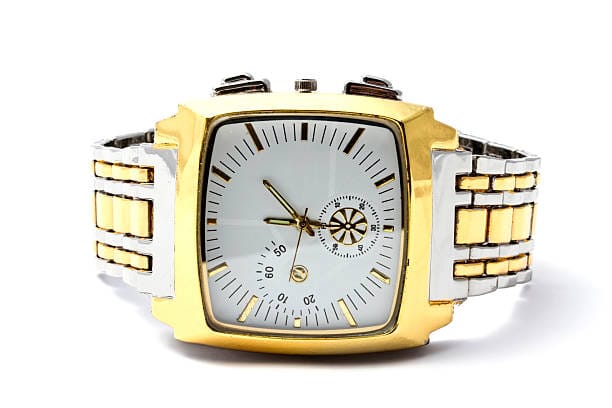
Luxury Watches Investment: Your Complete Guide for 2026
Investing in luxury watches combines style, craftsmanship, and long-term value. Collectors worldwide are increasingly treating select watches as serious luxury watches investment opportunities. Understanding market trends, brand performance, and model rarity is crucial before committing funds.
Why Luxury Watches Make a Strong Investment
Luxury watches investment offers diversification, hedge against inflation, and the joy of owning iconic timepieces. Brands like Rolex, Patek Philippe, and Audemars Piguet have historically appreciated, providing both aesthetic and financial value.
Internal links to consider: Which Rolex Models Appreciate the Most, Best Luxury Watch Brands to Invest In
How to Start Investing in Luxury Watches
Set Your Budget
Begin with an achievable budget. Entry-level blue-chip watches may cost between $2,000 and $6,000. Keep in mind that luxury watches investment requires patience for long-term appreciation.
Choose Reputable Sellers
Only buy from authorized dealers, certified resellers, or well-known auction houses. Avoid grey market purchases unless well-researched. See our guide to grey market watches.
Focus on Proven Models
Certain models consistently appreciate. Rolex Submariner, Patek Philippe Nautilus, and limited-edition Audemars Piguet Royal Oaks are examples. For analysis, check Rolex Submariner Hulk Green Dial.
Frequently Asked Questions About Luxury Watches Investment
Can I reliably make money investing in watches?
Yes — if you focus on historically strong models, verify authenticity, buy at reasonable prices, and time sales. Not all watches gain value; careful selection and patience are key.
What’s the minimum budget to start investing in watches?
While blue-chip pieces are costly, solid entry points exist in the $2k–$6k range for brands that can appreciate. Many collectors build portfolios across price tiers.
How do I avoid fakes and swapped parts?
Buy from reputable sellers, request recent service records, and consider an independent inspection. Familiarize yourself with hallmarks, serial ranges, and typical part finishes for the brand/model.
Are auctions the best way to sell an investment watch?
Auction houses provide visibility, but fees and reserve pricing vary. For rare pieces, auctions often achieve top results; for in-demand modern references, private sales or trusted marketplaces may net better.
Do taxes make watch investing unattractive?
Tax treatment varies — capital gains rules, VAT refunds for exports, and inheritance taxes can apply. Consult a tax advisor for structured strategies.
How much does provenance impact price?
Significantly. Watches with celebrity ownership or notable backstory can command multiples over equivalent undocumented examples.
Should I insure investment watches?
Absolutely. Insure against theft and loss — collectibles often require special policies and appraisals.
Which watches should I avoid as investments?
Avoid heavily modified pieces, watches with non-original parts, or models with declining demand. Trend chasers without provenance are riskier.
How do I track luxury watch market trends?
Use auction results, online marketplaces, and specialist watch forums. Tools like WatchCharts can give insights into secondary market performance.
Are smartwatches ever a good investment?
Limited editions like hybrid luxury smartwatches may hold value short-term, but traditional mechanical watches remain the preferred luxury watches investment.
What is the typical ROI for top-tier watches?
Historical returns range from 3% to 10% per year for select Rolex, Patek Philippe, and Audemars Piguet models. Results vary depending on timing and condition.
How long should I hold watches for investment purposes?
Typically 5–10 years, sometimes longer. Patience is key for luxury watches investment to outperform standard financial assets.
Can I invest in watches part-time while keeping a day job?
Yes. Start small, monitor market values, and consider fractional investments or pooled collector groups for exposure without full-time management.
Do watch condition and servicing affect investment value?
Yes. Mint condition, original parts, and documented service history significantly increase resale value.
Should I diversify across brands?
Diversification across Rolex, Patek Philippe, Audemars Piguet, and limited editions mitigates risk and balances portfolio growth potential.
Conclusion — Practical Next Steps for New Collectors & Investors
Luxury watches combine scarcity, craftsmanship, and collectibility to offer an investment vehicle with upside potential beyond gold. With research, sourcing, and patience, luxury watches investment can outperform traditional assets.
Immediate action plan: (1) build a targeted watchlist, (2) monitor secondary market prices, (3) prioritize condition and provenance, (4) insure and document holdings, (5) plan exit strategies before trades.
Disclaimer: This article is for educational purposes only and does not constitute investment advice.