

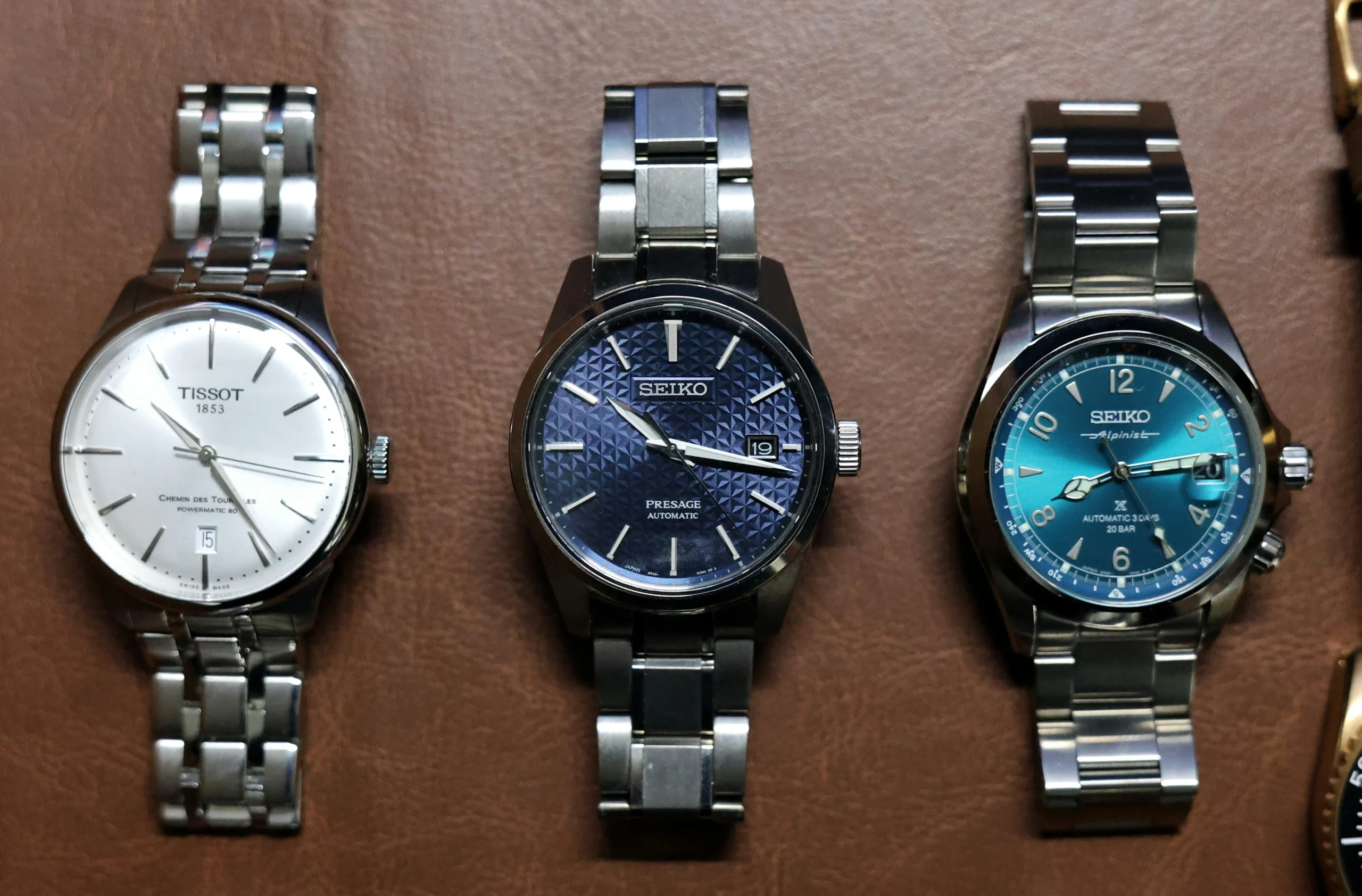
What is the best age to buy a luxury watch?
The ideal age to buy your first luxury watch is between 25 and 35, when your style matures and you can make informed financial decisions. However, passion and timing matter more than age.
What is the Best Age to Buy a Luxury Watch?
There’s no single “perfect” age to buy a luxury watch—but most collectors make their first serious purchase between 25 and 35. This is when income stabilizes, personal style becomes clearer, and long-term thinking begins.
That said, buying a luxury watch is less about age and more about timing. Some buyers start early with entry-level pieces, while others wait and invest in iconic models like Rolex or Patek Philippe after major life milestones.
For example, understanding design innovations like the Rolex Oyster case evolution can help you appreciate why certain watches hold long-term value.
Ultimately, the best age is when you can balance passion, knowledge, and financial comfort—because a luxury watch is both a personal statement and a long-term asset.
Buying in Your 40s & 50s – Legacy Thinking
By your 40s and 50s, buying a watch becomes more strategic. Buyers focus on heritage pieces, resale value, and legacy.
Collectors at this stage often explore rare materials like meteorite dial watches or invest in historically significant brands.
Buying a Luxury Watch in Your 20s & 30s
In your 20s and early 30s, buying a luxury watch is often your first step into the world of horology. Many buyers start with versatile models that balance affordability and brand value.
This is also the stage where you explore iconic designs and learn market trends. Reading about the most expensive watches in the world can give you perspective on long-term value and rarity.
Buying a Luxury Watch in Your 40s and 50s – Legacy & Investment Thinking
In your 40s and 50s, buying a luxury watch becomes more about long-term value than status. Many buyers at this stage focus on pieces that hold meaning and can be passed down. If you're still deciding, this guide on the best age to buy a luxury watch can help you understand timing and strategy.
Collectors often prefer proven models with stable resale value. Brands like Rolex and Omega are frequently discussed in watch industry insights for their long-term performance.
At this level, it’s also important to avoid luxury watch value traps and focus on pieces with historical demand.
- Choose timeless designs over short-term trends
- Always prefer full set (box and papers)
- Think legacy and long-term ownership
Best Age to Buy a Smartwatch in 2026
Smartwatches are less about investment and more about daily use. The right time to buy one depends on your lifestyle, not just your income. If you're comparing both categories, see our full luxury watch vs smartwatch guide .
In Your 20s
Great for fitness tracking, productivity, and staying connected throughout the day.
In Your 30s
Useful for balancing work and personal life. Many professionals pair a smartwatch with a traditional watch .
In Your 40s+
Health features like heart rate monitoring and sleep tracking become more relevant, though resale value remains low.
You can also explore evolving designs in the Bulova 2026 collection to see how traditional brands are adapting.
Luxury Watch vs Smartwatch – Age-Based Comparison (2026)
| Age Range | Luxury Watch Focus | Smartwatch Focus | Investment Potential |
|---|---|---|---|
| 20s | Entry-level, milestone purchase | Fitness & daily use | Moderate |
| 30s | Value-retaining models | Productivity tools | High (if chosen well) |
| 40s+ | Heritage & legacy pieces | Health tracking | Strong (luxury focus) |
The decision between a smartwatch and a traditional watch depends on your priorities. If you care about long-term value, explore our watch investment guide . For deeper technical understanding, you can also read about mechanical watches .
Common Mistakes to Avoid When Buying a Luxury Watch
Buying a luxury watch is exciting, but many first-time buyers make avoidable mistakes. Understanding these early can save you money and help you make a smarter long-term decision.
- Buying based on hype: Trending models often carry inflated prices. It’s better to focus on timeless pieces with proven demand.
- Ignoring resale value: Not all watches hold value. Researching the market—like examples from record-breaking watch sales —can give useful insight.
- Skipping research: Understanding the difference between automatic vs mechanical watches helps you choose the right movement for your lifestyle.
- Not checking authenticity: Always verify box, papers, and seller credibility before buying.
- Overlooking long-term maintenance: Mechanical and automatic watches require regular servicing, which adds to ownership cost.
Avoiding these common mistakes will help you buy with confidence and ensure your watch remains valuable—both financially and personally.
Final Thoughts: What Is the Right Age for You?
There is no universal “perfect age” to buy a luxury watch in 2026. The right moment depends on your financial stability, emotional readiness, and long-term goals. Some buyers purchase their first premium watch at 25 to celebrate ambition, while others wait until their 40s to mark a life milestone.
If your focus is investment potential and legacy, traditional luxury watches — especially well-researched models — tend to outperform most consumer tech products over time. However, if your priority is productivity, health tracking, and convenience, a smartwatch may offer more immediate value.
Ultimately, the best age to buy a luxury watch or smartwatch is when the purchase aligns with both your financial discipline and your personal journey.
Frequently Asked Questions
Is 25 too young to buy a luxury watch?
Not necessarily. If you have stable income and no high-interest debt, buying a luxury watch at 25 can be a meaningful milestone purchase.
What is the best age to buy a Rolex?
Many buyers find their 30s ideal due to stronger financial stability, but the right age depends on personal readiness rather than a specific number.
Should I buy a smartwatch instead of a luxury watch?
It depends on your goals. Smartwatches offer functionality and health tracking, while luxury watches focus on craftsmanship, status, and potential long-term value.
Do luxury watches increase in value if bought young?
Some models appreciate over time, especially limited or highly demanded pieces. However, appreciation depends on model selection and market conditions.
Is 30 the sweet spot for buying a luxury watch?
For many professionals, yes. Income stability and clearer financial goals make the 30s a practical time to invest in a premium timepiece.
Are luxury watches better investments than smartwatches?
In most cases, yes. Smartwatches depreciate quickly due to technology upgrades, while certain luxury watches retain or increase value over time.
What financial checklist should I follow before buying?
Ensure you have emergency savings, manageable debt, stable income, and a clear purpose for the purchase.
Is it smart to finance a luxury watch?
Financing is generally not recommended unless you can comfortably manage payments without financial strain.
Do collectors buy watches later in life?
Many serious collectors begin in their 30s or 40s when disposable income increases.
Is a luxury watch a good graduation gift?
Yes, it can symbolize achievement and long-term growth if financially practical.
How long should I keep a luxury watch?
Long-term holding typically increases the chance of value retention or appreciation.
Does age affect watch style choice?
Yes. Younger buyers may prefer sporty models, while older buyers often choose classic, timeless designs.
Can I own both a smartwatch and a luxury watch?
Absolutely. Many buyers use smartwatches daily and reserve luxury watches for formal or investment purposes.
Is 40 too late to start buying luxury watches?
Not at all. Many collectors begin in their 40s when financial security is stronger.