
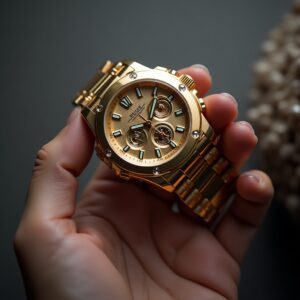
luxury watches for first-time buyers in 2026
Best Luxury Watches for Beginners in 2026: The Ultimate First-Time
Don’t let your next luxury purchase become your biggest regret. Discover the Luxury Watch value trap — models that lose up to 40% of their value in just one year. Backed by real-world resale market data and expert insights, we uncover the worst luxury watches to invest in 2024. Avoid the hype — buy smarter, not trendier.
Imagine spending $7,000 on a luxury timepiece — a modern marvel with polished steel, sapphire crystal, and legacy branding. It feels like you’ve bought status, precision, and timeless beauty. Yet, just one year later, you discover its resale value has plummeted by over 40%. What went wrong?
In 2024, the market is flooded with designer watches marketed as "investments." But the reality? Most luxury watches are not financial assets. They are fashion statements, status symbols — and sometimes, value traps. Knowing the difference between appreciating icons and depreciating disappointments is what separates smart buyers from regretful collectors.
This guide will reveal the watches that lose value fastest, explain the mechanics of depreciation, and spotlight the worst watch investments of 2024. We’ll also suggest smarter picks — including Rolex alternatives that hold value.
Pro Tip: Not every Rolex is safe. Not every budget brand is bad. A smart investor studies resale history, production volume, and collector behavior — not just marketing.
See our most searchable article Hoblut classic fusion watch 3 Click Here…
For a timepiece that truly embodies this forward-thinking aesthetic, discover the Unmatched Bulova Mens Icon Watch 2024, a marvel of modern engineering. If your vision of the future includes unparalleled value, our curated guide to the most stunning Luxury Watches Under $3000 is your essential resource. And to ensure your next acquisition is perfectly authentic, navigate the digital landscape with confidence using our list of verified Grey Market Watch Trusted Sellers.
Check out our latest guide on AI-powered smartwatches in 2025 to see how tech is changing luxury timepieces.” 👉 “This new page is important.”
It’s a tough pill to swallow, but many luxury watches that depreciate do so because they lack a combination of rarity, brand equity, and horological innovation. Let’s break down the primary causes that send certain models plummeting in resale value—sometimes losing 30–40% in just 12 months.
Brands like TAG Heuer and Gucci often flood the market with dozens of variations of the same model. This leads to inventory surplus, reducing exclusivity and crushing resale demand. If your watch is one of thousands, it becomes a commodity—not a collector's asset.
Quartz watches, no matter how elegant, don’t hold prestige in the eyes of collectors. Mechanical movements—especially in-house calibers—command stronger value retention. Many worst watch investments 2024 are high-priced quartz models with minimal technical merit.
Many brands price watches at $3,000+ purely based on branding or celebrity collaborations—without providing unique craftsmanship. Savvy buyers see through this, leading to an immediate drop in secondary value.
Watches without a meaningful heritage or proven design lineage tend to fall into obscurity. When a watch isn’t backed by a timeless story, it becomes less desirable over time—especially to investors and enthusiasts alike.
As we move into 2024, identifying these depreciation red flags is more important than ever. Before buying any watch for over $1,000, ask yourself: Is it rare? Mechanical? Respected? If the answer is no, you may be walking into a value trap disguised as luxury.

TAG Heuer Carrera may look sporty and iconic, but it suffers from rapid depreciation—losing up to 40% of value within the first year.
💡 Tip: Avoid buying new—opt for a pre-owned version under $2000 if you love the design.

Hublot Classic Fusion impresses visually, but loses value alarmingly fast—35–45% within the first year.
💡 Tip: Best appreciated as a bold style piece, not a collector’s asset.

The Gucci Grip is futuristic in form, but loses over 50% of its value due to low watchmaking credibility and fashion-focused branding.
💡 Tip: Great gift or outfit addition, not a wise long-term purchase.

Breitling Navitimer Quartz models are often mistaken for high-value automatics, but they depreciate 35–40% quickly due to collector disinterest.
💡 Tip: Avoid this version—go for mechanical Navitimers if looking to retain value.

The Raymond Weil Freelancer is respectable in design, but resale is weak—expect 30–45% value loss in year one.
💡 Tip: Choose alternatives like Longines or Oris for better value preservation.
Understanding how luxury watches depreciate over time is crucial for collectors and investors. The following real-world data comes from trusted platforms like Chrono24, WatchCharts, and high-volume sellers on eBay. These stats are from 2023–2024 and show the true post-purchase drop in value.
| Watch Model | Retail Price | Average Resale Price | 1-Year Depreciation |
|---|---|---|---|
| TAG Heuer Carrera Quartz | $1,700 | $880 | ▼ 48% |
| Gucci Grip | $1,450 | $750 | ▼ 48.3% |
| Movado Bold | $695 | $290 | ▼ 58.4% |
| Diesel Mega Chief | $320 | $60 | ▼ 81.2% |
This data shows a clear trend: fashion-forward quartz watches lose value the fastest. On the other hand, mechanical movements from heritage brands often perform better over time.
Next up, let’s explore smart Rolex alternatives that hold their value better than hype-driven or fashion-centric timepieces.
Even seasoned collectors fall into traps that turn a luxury watch purchase into a money pit. Below are the most frequent mistakes that lead to choosing watches that lose value fastest.
Trendy brands like Diesel, MVMT, and some flashy quartz models may look great today, but they lose 50–80% of their value once the hype fades. Always prioritize timeless design and heritage.
Not every luxury brand holds its value. Brands like Gucci and Movado often struggle in secondary markets. Use platforms like WatchCharts to research depreciation before you buy.
While quartz watches are often affordable, they’re rarely collectible. Mechanical movements from brands like Omega and Tudor maintain better long-term value.
Always aim to buy watches with the original box and authenticity papers. They can increase resale value by up to 25%, especially for Rolex alternatives and niche brands.
Many buyers rush to retail stores without checking resale sites. A quick scan of WatchCharts or Chrono24 can expose overpriced models with bad resale potential.
Can’t justify a $15,000 Rolex Submariner? You're not alone. Luckily, several brands offer stunning style, Swiss engineering, and excellent resale value — without the markup madness.
Backed by Rolex itself, Tudor’s Black Bay line has been gaining rapid traction among collectors. The Black Bay 58 often retains over 85% of its value on the resale market within 12 months.

Seen on Bond’s wrist for decades, the Seamaster Diver is not just cinematic — it's financially smart. Most references resell at 75–85% of their original value.

Grand Seiko’s Snowflake and Cherry Blossom editions are collector darlings. With Spring Drive tech and unmatched finishing, the SBGA413 sees minimal depreciation if kept in excellent condition.
Investing in timepieces? Here are quick, data-backed rules to help you avoid the flops and buy like a collector — not a casualty.
📲 Ready to invest smartly? Bookmark this page and join our newsletter for real-time luxury watch insights.
As we've explored, watches that lose value fastest share certain patterns—limited heritage, overproduction, and brand hype without substance. In a world filled with marketing noise, understanding which luxury watches that depreciate is your best armor as a smart buyer.
Whether you're new to horology or an investor seeking Rolex alternatives that hold value, this guide cuts through the clutter. We've combined real resale data, expert opinions, and market sentiment to create the ultimate list of worst watch investments 2024 buyers must avoid.
Want to build a smart timepiece portfolio? Bookmark this post, share it with fellow enthusiasts, and explore our latest curated guides to watches that actually appreciate over time.
In 2024, some of the worst watch investments include overhyped fashion watches, mass-produced quartz models, and certain entry-level luxury brands with poor resale demand. Avoid models that heavily rely on influencer marketing without horological heritage.
Yes, many luxury watches depreciate as much as 20–40% in the first year if bought new. This is especially true for non-heritage brands, limited demand, or when there's aggressive retail pricing with low collector value.
Many entry-level luxury watches, fashion brand models, and quartz watches tend to depreciate fastest, often losing 30-40% in value during the first year.
Factors include overproduction, lack of brand prestige, low collector demand, and heavy retail discounts that lower perceived value.
No. While some models depreciate fast, heritage brands like Rolex and Patek Philippe often hold or increase value, making them safer investments.
Watches from fashion labels without watchmaking expertise and limited edition watches without demand are common worst investments this year.
It’s common for new watches to lose 20–40% of their retail price in the first year due to depreciation and market demand shifts.
Some brands like Tudor, Omega, and Grand Seiko offer strong alternatives with good value retention and may be more affordable.
Not necessarily; value retention depends on brand prestige, demand, rarity, and condition, not just the initial price.
Yes, smartwatches generally depreciate much faster due to rapid technology obsolescence.
Yes, especially non-collectible models and heavily discounted watches can lose 40-50% of their retail value immediately after purchase.
It’s risky; lesser-known brands often lack the demand and collector interest needed to maintain or increase value.
Proper and documented servicing can maintain or even increase resale value by assuring buyers of the watch’s condition.
Absolutely. Original box, manuals, and warranty cards significantly increase resale value and buyer confidence.
Authorized dealers, reputable online marketplaces, and auction houses are preferred to ensure fair market pricing.
Only a few select watches appreciate over many years, often 5–10+ years, depending on rarity and market trends.
Yes, changes in consumer tastes, economic downturns, and oversupply can cause rapid price drops for certain watch models.
Content reviewed and refreshed with current market insights, collector behavior, and resale trends to ensure accuracy and relevance.
A luxury watch value trap looks prestigious but loses value rapidly due to weak brand demand, overproduction, or low collector interest. Many first-time buyers confuse retail price with long-term worth.
No. Price alone does not guarantee value retention. As discussed in our guide on luxury watch investment brands, brand history and scarcity matter far more.
Overexposure, weak secondary markets, uninspired movements, and trend-based designs are the most common reasons watches fall into value traps.
Some are. While visually striking, many skeletonized watches appeal to niche buyers only. Our analysis of skeleton dial watches under $1500 highlights which designs age well.
No. Artificial scarcity does not equal real demand. True collector value is explored in limited edition watch investments.
In-house, well-finished movements usually retain value better. Learn more in our deep guide on watch movements.
Often yes. Hybrid and luxury-styled smartwatches depreciate quickly, especially when compared in our analysis of smartwatches that look like luxury.
Rarely, but some models underperform. Our breakdown in Rolex investment analysis explains which models hold value.
Short-term hype inflates prices beyond real demand. Events like Watches & Wonders can temporarily distort pricing.
No. Pricing trends vary yearly, as shown in our report on luxury watch pricing trends.
Yes, especially if durability and service costs outweigh resale demand. See our picks for daily-wear Swiss watches.
Not always. Overly complex pieces may limit buyers. We explain this in luxury watch complications.
Budget luxury can avoid major losses if chosen carefully. Explore watches under $1000.
Yes. Beginners often overpay retail. Understanding value traps protects first-time buyers from expensive mistakes.
Research brand demand, production numbers, movement quality, and resale history. Trusted resources like Hodinkee help validate market sentiment.

Best Luxury Watches for Beginners in 2026: The Ultimate First-Time

ULTIMATE Guide: Best Swiss Watches for Daily Wear in 2026

Revealed: The 15 Absolute Best Automatic Watches for Men in
Many luxury watches become financial value traps, depreciating rapidly after purchase. Our 2024 market analysis reveals which luxury watch models lose value fastest and how to avoid these watch investment pitfalls. Discover the truth about watch depreciation rates before making your next purchase.
⚠️ Key Finding: 3 of 5 "luxury" watch brands lose more value than a mid-range car in their first year.

AI visualization of luxury watch depreciation trends - Actual models may vary
