
Unstoppable Rise: 7 Key Reasons Luxury Watch Prices Are Soaring in 2026
The luxury watch prices is experiencing an unprecedented transformation in 2026, with prices reaching levels that would have seemed unimaginable just a decade ago. This comprehensive analysis explores the seven fundamental drivers behind the remarkable surge in luxury watch prices, from material revolutions to technological integrations that are reshaping the very definition of horological value.
Table of Contents
- 1. The Material Revolution of 2026
- 2. AI Integration & Smart Horology
- 3. Sustainable Luxury & Ethical Sourcing
- 4. Blockchain Authentication & Digital Provenance
- 5. Hyper-Personalization & Customization
- 6. Shifting Collector Demographics
- 7. Global Economic Factors & Investment Appeal
- Future Outlook: What's Next After 2026?
- Frequently Asked Questions
1. The Material Revolution: Beyond Traditional Precious Metals
The year 2026 marks a turning point in luxury watch materials science. Traditional gold and platinum remain prestigious, but innovative materials are commanding premium pricing. Luxury watch prices in 2026 are significantly influenced by the development and implementation of advanced composites previously exclusive to aerospace and medical industries.
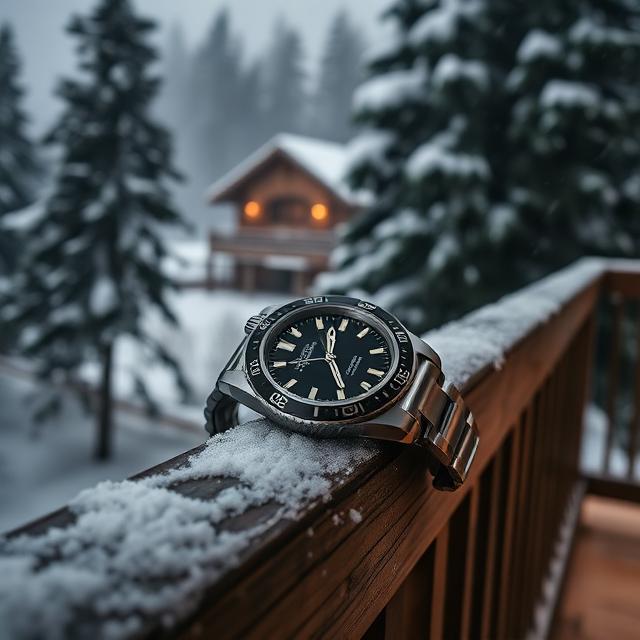
Advanced material innovation is a primary driver of luxury watch prices in 2026, with lab-grown exotic materials commanding premium pricing.
Manufacturers are now utilizing graphene-infused alloys that are five times stronger than steel yet significantly lighter. Transparent aluminum composites, originally developed for military applications, now feature in limited edition watch cases, offering unparalleled scratch resistance while maintaining a luxurious appearance. These material advancements don't just improve durability—they fundamentally change the wearing experience and visual appeal, justifying substantial price increases.
The Price Impact of Advanced Materials
Industry analysis reveals that watches incorporating these next-generation materials command a 35-50% premium over their traditional counterparts. This isn't merely a marketing strategy—the research, development, and specialized manufacturing processes for these materials represent significant investments for watchmakers. The exclusivity of materials like lab-grown diamonds with flawless optical properties or self-healing ceramics creates artificial scarcity that further drives up luxury watch prices in 2026.
2. AI Integration & The Dawn of Smart Horology
Artificial intelligence has transformed from a buzzword to a fundamental component of luxury watchmaking in 2026. Leading manufacturers are integrating AI at multiple levels, from design and manufacturing to functionality and personalization. This technological integration represents a significant factor in the rising luxury watch prices of 2026.
AI-driven design algorithms can now create movement configurations that optimize timekeeping accuracy beyond human capability. Manufacturing processes enhanced by machine learning achieve tolerances measured in nanometers, resulting in mechanical precision previously thought impossible. Functional AI integrations include health monitoring that rivals specialized medical devices, predictive maintenance alerts, and even subtle aesthetic adjustments based on the wearer's biometric data.
The Value Proposition of AI Horology
Unlike early smartwatches that prioritized function over form, 2026's AI-enhanced luxury watches maintain traditional aesthetics while incorporating invisible technology. These hybrid timepieces represent the pinnacle of both craftsmanship and innovation, justifying their premium positioning in the market. Collectors recognize that they're acquiring not just a timepiece, but a piece of evolving technology that will continue to gain capabilities through software updates—a revolutionary concept in the traditionally static world of luxury watches.
3. Sustainable Luxury & Ethical Sourcing Imperatives
Environmental consciousness has evolved from a niche concern to a central pricing factor in 2026's luxury watch market. Brands implementing comprehensive sustainability practices—from carbon-neutral manufacturing to ethically sourced materials—command significant premiums. This reflects broader consumer trends, particularly among younger affluent buyers who prioritize environmental responsibility alongside traditional luxury values.
Leading manufacturers have invested heavily in closed-loop production systems, where waste materials are continuously recycled into new components. Solar-powered manufacturing facilities, water recycling systems, and ethical labor practices have become standard expectations rather than exceptions. These sustainable practices, while initially increasing production costs, ultimately enhance brand value and justify the elevated luxury watch prices in 2026.
Case Study: The Green Premium
Analysis of market data reveals what industry insiders call "the green premium"—sustainably produced luxury watches command prices 20-30% higher than conventionally manufactured equivalents from the same brand. This premium reflects both the actual costs of sustainable practices and consumer willingness to pay for environmental responsibility. As climate concerns intensify, this premium is projected to increase further through the remainder of the decade.
4. Blockchain Authentication & Digital Provenance
Blockchain technology has revolutionized luxury watch authentication and ownership tracking in 2026. Each timepiece now receives an immutable digital certificate recording its entire history—from manufacturing details and component origins to every change of ownership. This technological advancement addresses longstanding concerns about counterfeiting while creating new forms of value.
The implementation of blockchain authentication adds approximately 8-12% to production costs but significantly enhances resale value and investment security. For collectors, the ability to verify a watch's complete history with cryptographic certainty represents a transformative development. This technology has particularly impacted the vintage and pre-owned markets, where provenance concerns previously limited transactions.
5. Hyper-Personalization & Customization Revolution
Mass customization has reached unprecedented levels in 2026, with luxury watch buyers expecting—and paying for—highly personalized timepieces. Advanced manufacturing techniques like 3D printing of precious metal components, AI-assisted design interfaces, and modular construction systems allow for extensive personalization without compromising quality.
Customers can now customize not just superficial elements like dial colors, but fundamental aspects including case dimensions, movement complications, and even the tactile feedback of crown mechanisms. This hyper-personalization represents a significant departure from traditional luxury watch production, where standardization was necessary for quality control. The technical challenges of maintaining excellence across countless unique configurations contribute substantially to the rising luxury watch prices in 2026.
Hyper-personalization through advanced manufacturing technologies adds significant value and contributes to rising luxury watch prices in 2026.
6. Shifting Collector Demographics & Digital Natives
The luxury watch collector profile has transformed dramatically by 2026. While traditional collectors aged 50+ remain important, the most dynamic market segment now consists of digitally-native investors aged 25-40. This demographic brings different values, purchase behaviors, and technological expectations that are reshaping the industry.
Younger collectors prioritize technological integration, digital authentication, and metaverse compatibility alongside traditional craftsmanship. They approach watch collecting as both passion and portfolio diversification, often allocating significant investment capital to timepieces. Their comfort with digital platforms has also expanded the global marketplace, increasing competition for limited editions and driving up prices accordingly.
The Metaverse Connection
A particularly futuristic development influencing luxury watch prices in 2026 is the integration with virtual environments. Premium timepieces now often include NFT counterparts for display in metaverse spaces, creating dual physical-digital ownership models. This innovation appeals to younger collectors while adding entirely new revenue streams and value propositions for manufacturers.
7. Global Economic Factors & Investment Appeal
In an era of economic uncertainty and currency volatility, luxury watches have solidified their position as alternative assets. The consistent appreciation of premium timepieces—often outperforming traditional investments—has attracted institutional investors and wealth managers to the category. This financialization of luxury watches represents perhaps the most significant driver of price increases in 2026.
Financial analysts now regularly include rare timepieces in diversified portfolio recommendations, noting their low correlation with traditional markets and strong historical appreciation. This institutional interest has created sustained demand pressure on limited production models, particularly from heritage brands with proven track records of value retention.
The Role of Digital Marketplaces
Sophisticated digital trading platforms have emerged, offering liquidity, price transparency, and security previously unavailable in the secondary watch market. These platforms use AI algorithms to predict value appreciation, further legitimizing luxury watches as investable assets. The ease of buying, selling, and trading through verified digital channels has expanded the market dramatically, contributing to the overall increase in luxury watch prices in 2026.
Future Outlook: What's Next After 2026?
Based on current trajectories, luxury watch prices are projected to continue their ascent through the remainder of the decade. Several emerging technologies—including quantum-enhanced timekeeping, biometric integration, and adaptive materials—promise to further transform the category. However, industry analysts caution that sustainable growth requires balancing innovation with preservation of the traditional craftsmanship that defines luxury horology.
The most successful brands in the coming years will likely be those that master the integration of futuristic technology with timeless design, creating timepieces that appeal to both traditional collectors and technologically-savvy new enthusiasts. This delicate balance between heritage and innovation will define the next phase of luxury watchmaking and its corresponding price evolution.
Frequently Asked Questions About Luxury Watch Prices in 2026
Related Articles on Luxury Watches
As we've explored, the factors driving luxury watch prices in 2026 are multifaceted and interconnected. From material innovations to technological integrations and shifting market dynamics, the luxury timepiece sector continues to evolve in fascinating directions. While prices may seem elevated compared to historical norms, they reflect genuine advancements in craftsmanship, technology, and value proposition. For collectors and investors alike, understanding these drivers is essential for navigating the sophisticated landscape of contemporary luxury horology.
For those considering entering the luxury watch market in 2026, the key is balancing appreciation for traditional craftsmanship with understanding of emerging technologies. The most successful acquisitions will likely be those that honor horological heritage while embracing the innovations that define this exciting era in watchmaking. As always, purchasing should align with personal passion as much as investment strategy, ensuring satisfaction regardless of market fluctuations.
When exploring luxury watch investments, we found that Rolex remains a solid investment in 2026 according to recent market analysis. However, for those considering more affordable options, our guide to the best luxury watches under $1000 offers excellent alternatives. For reference materials, Wikipedia provides comprehensive background on watch history and mechanisms, while industry reports from McKinsey's luxury market analysis offer valuable market insights. Always verify authenticity using our Rolex authentication guide before making any purchase.