

BREAKING: Rolex Price Increase 2026 - Which Elite Models Are Skyrocketing?
The luxury watch world is buzzing with anticipation as Rolex price increase 2026 rumors transform into confirmed market reality. For collectors, investors, and horology enthusiasts, understanding this significant Rolex price hike isn't just about budgeting—it's about strategic acquisition in an evolving marketplace where timepieces function as both art and asset.
According to industry insiders and authorized dealers, the 2026 adjustments represent one of the most substantial across-the-board increases in recent memory, with certain professional models seeing unprecedented valuation jumps. This comprehensive guide decodes the Rolex 2026 price changes, identifies which models face the steepest climbs, and provides actionable intelligence for navigating this new financial landscape.
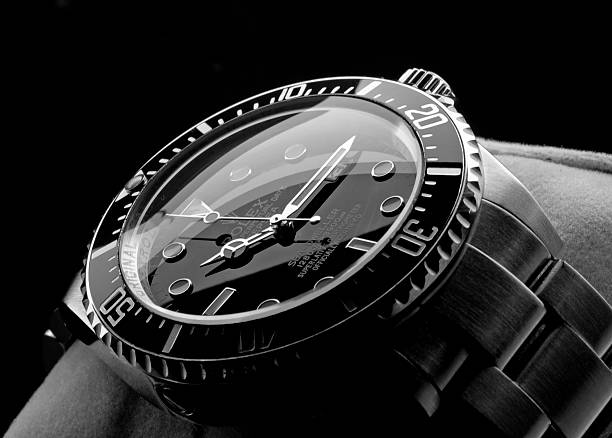
Figure 1: The anticipated Rolex 2026 price adjustments across collections
Table of Contents: Navigating Rolex 2026 Price Landscape
- The Catalysts: Why Rolex Prices Are Ascending in 2026
- Most Affected Models: Professional Collection Analysis
- Moderate Increases: Classic & Dress Watch Adjustments
- Investment Implications: Pre-Increase Acquisition Strategy
- Secondary Market Ripple Effects
- Futuristic FAQs: 2026-2030 Rolex Market Predictions
- Strategic Purchasing Windows & Recommendations
The Catalysts: Why Rolex Prices Are Ascending in 2026
The Rolex price adjustment 2026 isn't an isolated event but rather the culmination of multiple converging factors. First, manufacturing costs for proprietary materials like Oystersteel, Everose gold, and Cerachrom bezels have increased significantly due to supply chain reconfiguration and enhanced quality protocols. Rolex's vertical integration model, while ensuring unparalleled quality control, amplifies these cost pressures throughout production.
Market Intelligence: Unlike previous incremental adjustments, the 2026 Rolex price structure reflects strategic repositioning aimed at further distinguishing Rolex from emerging luxury competitors while addressing unprecedented global demand that continues to outstrip production capacity, even with the brand's expanded manufacturing facilities.
Second, currency fluctuations, particularly the Swiss Franc's strength against major global currencies, necessitate international price harmonization. Third, and perhaps most significantly, Rolex is implementing what analysts call "value calibration"—strategically pricing models closer to their true market value, which in many cases far exceeds retail prices on the secondary market.
Most Affected Models: Professional Collection Analysis
The Professional line faces the most substantial Rolex 2026 price increases, Rolex price increase 2026 with tool watches seeing adjustments of 8-15% depending on region and configuration. These models, already commanding significant premiums on the secondary market, are being repositioned to reflect their true collector value and manufacturing complexity.
| Model Series | Estimated Price Increase | Key Factors Driving Increase | Investment Outlook |
|---|---|---|---|
| Submariner (Steel & Two-Tone) | 12-15% | Unabated demand, material costs, production complexity | Exceptionally Strong |
| GMT-Master II (Pepsi, Batman, Sprite) | 10-14% | Cerachrom bezel manufacturing, global traveler appeal | Very Strong |
| Daytona (All configurations) | 8-12% | Chronograph mechanism complexity, icon status | Elite Tier Investment |
| Explorer II (Polar & Black) | 7-10% | Heritage revaluation, professional tool functionality | Strong Growth Potential |
| Sea-Dweller & Deepsea | 9-13% | Technical engineering, pressure-testing protocols | Specialized Strong |
Industry analysts note that the Rolex Submariner price 2026 adjustment is particularly significant, as it represents the model's largest single-year increase since its market repositioning a decade ago. The stainless steel professional models continue to demonstrate remarkable resistance to market volatility, functioning as what economists call "wearable assets."
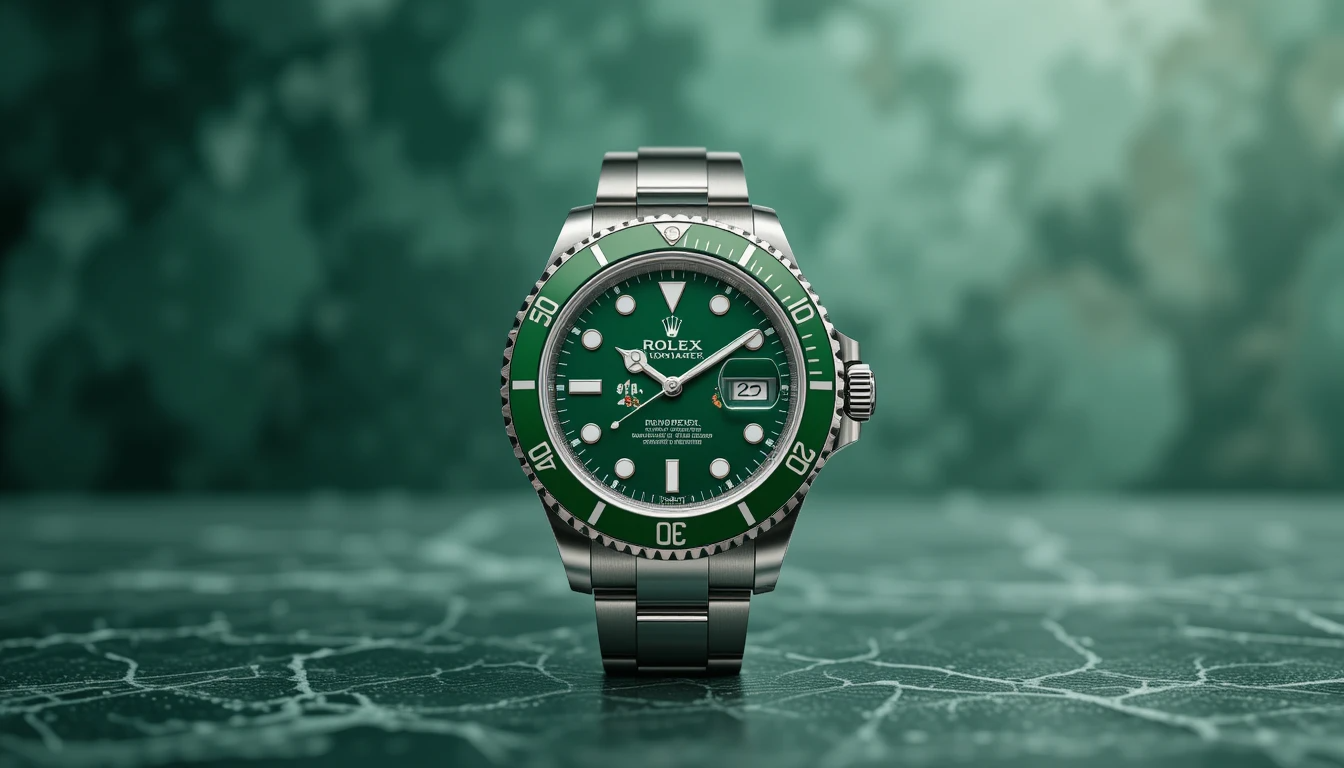
Figure 2: Professional models facing significant Rolex 2026 price adjustments
Rolex price increase 2026 Moderate Increases: Classic & Dress Watch Adjustments
While the Professional line garners headlines, the Classic collection including Datejust, Day-Date, and Oyster Perpetual models will see more measured adjustments ranging from 5-9%. These increases reflect incremental manufacturing cost adjustments rather than strategic repositioning.
The Rolex Datejust 2026 price structure shows particular sensitivity to precious metal content, with two-tone and full gold configurations absorbing higher percentage increases due to commodity price volatility. Conversely, stainless steel Datejust models receive more modest adjustments, maintaining accessibility for entry-level luxury collectors.
Notably, the Oyster Perpetual line—often considered Rolex's gateway collection—receives the smallest across-the-board increases (4-6%), suggesting a strategic decision to preserve entry points for new collectors while driving premiumization higher in the product hierarchy.
Investment Implications: Pre-Increase Acquisition Strategy
The impending Rolex price hike 2026 creates both urgency and opportunity for strategic collectors. Historical data consistently shows that pre-increase acquisitions yield substantial medium-term appreciation, as the new pricing floor elevates the entire market segment.
Strategic Insight: Models with the largest announced increases typically demonstrate the strongest secondary market appreciation in the 12-18 months following adjustment, as the new retail pricing validates and often stimulates higher gray market valuations.
For investors, priority should be given to Professional models with announced increases exceeding 10%, particularly those with established secondary market premiums. The Rolex GMT-Master II 2026 price adjustment, for instance, is expected to create immediate secondary market appreciation as existing inventory adjusts to the new retail reality.
Additionally, consider the emerging trend of "neovintage" positioning—models from the early 2000s that benefit from both historical appreciation and contemporary price calibration. As current retail prices increase, earlier references often experience correlated valuation growth.
Secondary Market Ripple Effects
The Rolex 2026 price changes will inevitably cascade through the secondary market, though not necessarily in linear fashion. Authorized dealer price increases typically compress the spread between retail and gray market prices initially, but secondary prices often resume their premium positioning within 6-9 months as demand absorbs the new retail reality.
This creates a temporary window where pre-owned examples may appear comparatively more attractive against new retail pricing—a phenomenon that typically corrects as secondary sellers adjust their pricing to reflect the new market normal. Savvy collectors monitor this transition period for acquisition opportunities.
Furthermore, the increased retail pricing reinforces Rolex's position as an inflation-resistant asset class, potentially attracting new investor categories to the luxury watch market who previously considered the sector too niche or illiquid.
Futuristic FAQs: 2026-2030 Rolex Market Predictions
Q1: Will the 2026 Rolex price increase affect vintage market values differently than contemporary models?
Yes, distinctly. While contemporary models respond directly to retail pricing adjustments, vintage references (pre-1990) operate on separate valuation metrics tied to rarity, condition, and provenance. However, significant retail increases for modern equivalents often create "halo effects" that lift entire model lineages, including vintage iterations, over a 24-36 month period.
Q2: How might blockchain authentication technology influence Rolex pricing and ownership by 2028?
By 2028, we anticipate widespread adoption of blockchain-based provenance tracking for luxury watches. This digital certification will likely create tiered pricing, with blockchain-verified examples commanding 15-25% premiums over non-verified counterparts. Rolex may introduce proprietary digital authentication, potentially integrating with their existing warranty system.
Q3: Could climate-related material sourcing challenges affect Rolex pricing beyond 2026?
Absolutely. Sustainable mining practices and climate-resilient supply chains will likely add 3-7% to production costs by 2030. Rolex's environmental commitments may drive increased use of recycled precious metals and alternative materials, potentially creating new collector subcategories with distinct valuation trajectories.
Q4: What role will AI-powered market analysis play in Rolex investment strategies by 2027?
AI will transform luxury watch investment through predictive analytics of production changes, secondary market trends, and macroeconomic correlations. We anticipate AI tools that provide real-time acquisition recommendations, portfolio rebalancing alerts, and risk assessment—potentially democratizing sophisticated market analysis previously available only to institutional collectors.
Q5: How might Rolex's potential ventures into smart hybrid technology affect traditional mechanical watch values?
If Rolex introduces hybrid technology (mechanical movements with smart features), we predict a bifurcated market: pure mechanical models may appreciate as "traditionalist" assets, while successful hybrids could create entirely new collector categories. The brand's cautious approach suggests any transition would preserve core mechanical integrity while adding functionality.
Q6: Will decentralized finance (DeFi) platforms enable fractional Rolex ownership by 2029?
Likely yes. Tokenized ownership of luxury assets is advancing rapidly. By 2029, we expect regulated platforms offering fractional investment in high-value Rolex models, potentially increasing market liquidity and enabling micro-investments. This could paradoxically increase demand for whole examples among traditional collectors seeking exclusivity.
Q7: How might space tourism and extreme environment lifestyles influence Rolex design and pricing?
As commercial space travel and deep-sea exploration become more accessible, Rolex may develop specialized instruments for these environments, potentially reviving the "tool watch" ethos with 21st-century materials science. Such limited-production models could command extraordinary premiums while reinforcing the brand's technical leadership across environments.
Q8: Could carbon-neutral certification become a valuation factor for luxury watches by 2030?
Very probable. Environmentally-conscious collectors may prioritize carbon-neutral certified timepieces. Rolex's extensive manufacturing control could facilitate precise carbon accounting, potentially allowing certified models to command 5-15% premiums as sustainable luxury becomes increasingly important to next-generation collectors.
Q9: How will biometric integration potential affect the security and insurance aspects of luxury watches?
Biometric ownership authentication (DNA markers, fingerprint recognition integrated into clasps or crowns) could dramatically reduce theft and fraud by 2028. This security enhancement might lower insurance costs for equipped models while creating authentication certainty that boosts secondary market liquidity and values.
Q10: Might Rolex develop limited editions specifically for digital metaverse presentation and physical ownership?
This represents a significant opportunity. "Phygital" releases—with matching NFT authentication and physical timepieces—could appeal to digitally-native collectors. Such strategy would bridge traditional luxury with Web3 communities, potentially creating new collector demographics with different purchasing behaviors and valuation expectations.
Q11: How could quantum computing affect precision standards and thus luxury watch valuations?
Quantum-enabled timekeeping could establish new precision benchmarks beyond current COSC standards. If Rolex pioneers quantum-influenced regulation systems, even marginal improvements could justify substantial price premiums while reinforcing technical superiority—similar to the chronometer certification advantages of previous eras.
Q12: Will 3D printing of rare spare parts affect vintage Rolex restoration and values?
By 2027, certified 3D printing of discontinued components using original material specifications could transform vintage restoration. This might increase values of rare models by improving serviceability while raising authentication complexities. Rolex may control this through authorized "digital blueprints" for discontinued references.
Q13: How might demographic wealth transfer (Boomer to Millennial) affect Rolex market dynamics?
The largest intergenerational wealth transfer in history will significantly impact luxury markets. As Millennials inherit collections, we may see either consolidation (holding family heirlooms) or liquidation (converting to alternative assets). Brands that successfully engage younger generations through digital innovation while honoring heritage will fare best.
Q14: Could geopolitical shifts create regional price divergence greater than currency differences?
Increasingly probable. Trade agreements, tariffs, and luxury taxes may create 20-30% regional price variations by 2028. Astute collectors might leverage these discrepancies, though manufacturers will likely implement purchase restrictions to prevent arbitrage. This could increase "watch tourism" to favorable jurisdictions.
Q15: How will augmented reality (AR) try-on experiences affect purchasing behavior and returns?
Advanced AR allowing hyper-accurate virtual try-ons will reduce return rates and increase online conversion for luxury watches by 2027. This digital confidence might shift more purchasing online, potentially affecting authorized dealer relationships but increasing global market access—possibly exerting downward pressure on regional price disparities.
Strategic Purchasing Windows & Recommendations
For collectors considering acquisitions around the Rolex price increase 2026, timing is paramount. The optimal window typically occurs 60-90 days before announced increases take effect, when authorized dealers often receive pre-increase allocations while still honoring current pricing.
Prioritize models with announced increases exceeding 10%, as these typically offer the strongest post-adjustment appreciation. Professional steel models remain the most resilient category, though don't overlook precious metal configurations if your budget permits—their percentage increases may be lower but absolute appreciation can be substantial.
Expert Recommendation: Consider the Submariner Date (ref. 126610LN/LV) and GMT-Master II (ref. 126710BLRO/BLNR) as primary targets for pre-increase acquisition. These models combine high announced increases with proven secondary market strength and broad collector appeal—a trifecta for investment-grade timepieces.
Finally, establish relationships with authorized dealers now rather than during the pre-increase rush. Historical allocation often favors established clients, particularly for the most sought-after professional models.
Expand Your Luxury Watch Knowledge
Continue your horological education with these essential guides from our archives:
- Strategic Alternatives: Best Luxury Watches Under $1000 for Emerging Collectors
- Exclusive Leaks: Rolex 2026 Submariner Prototype Specifications & Design Evolution
- Authentication Mastery: How to Tell If a Rolex Is Real in 2025 & Beyond
- Portfolio Diversification: Best Luxury Watch Brands for Investment in Volatile Markets
Best Watches Spotted at Watches & Wonders 2026
Spectacular Reveal: The 15 Best Watches Spotted at Watches &

Omega watches released in 2026
BREAKING: Stunning New Omega Watches Released in 2026 (Complete Guide